Chapter VI Independent guide
Sacred sites in England: a practical checklist for visiting them well
Ancient and sacred places are fragile, often free to enter and sometimes in active use. A little planning protects them and makes the visit better for you.
What counts as a sacred site in England
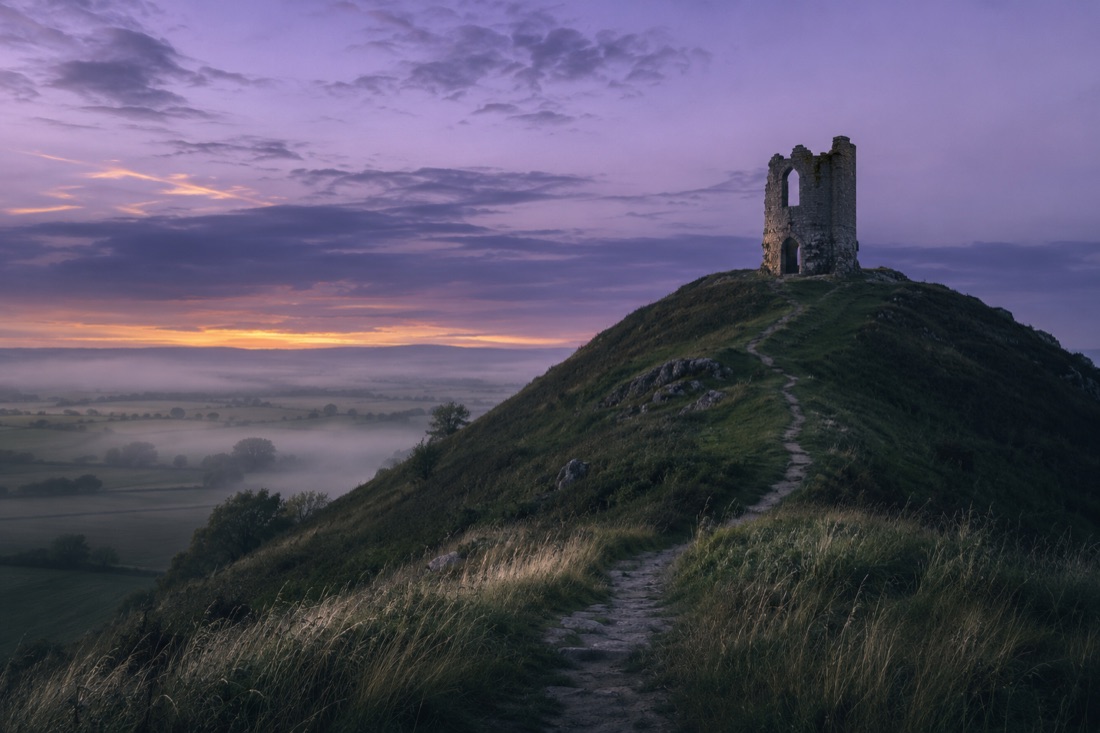
There is no official list, and no single most sacred place. The phrase covers a wide mix: medieval abbeys and cathedrals, holy wells, prehistoric monuments such as Stonehenge and Avebury, hills such as Glastonbury Tor, and old pilgrimage routes. A site can be sacred to a living faith, to a spiritual movement or to no one but visitors, which is why the rules differ from place to place. The same advice applies across Britain, where Scotland and Wales have their own access rules.
People visit for many reasons: worship, mourning, curiosity, history, walking and art. Knowing which reason brings you there helps you behave well among those who came for another.
Check who looks after the place
Many of the best known sites are cared for by the National Trust, English Heritage, Historic Environment Scotland, Cadw in Wales or a local trust. Their websites list opening times, prices, parking, accessibility and any temporary closures. Information from older blog posts or printed guides can be out of date, so use these official pages.
Some places belong to a parish or a religious community and are in use as places of worship. Ask before you enter during a service, and keep conversation low.
Rules of access differ across Britain
In England and Wales, walkers rely mainly on public rights of way and on land that has been opened for access. Scotland has broader statutory access rights, set out in the Scottish Outdoor Access Code, which also asks visitors to act responsibly. Whatever the rule, leave gates as you find them and keep dogs under control near livestock.
What not to leave behind
Candles, ribbons, coins pressed into stones and food offerings may feel meaningful, but they cause real damage. Wax stains stone, coins can crack wood and rock, and ribbons and plastic litter the ground. Many sites explicitly ask visitors not to leave anything. Take photographs and memories, and take your rubbish home.
Do not climb on standing stones or on ruins, and do not lean on them for photographs. Lichens on old stone grow very slowly and are easily lost.
Safety, weather and daylight
Hills and open downland can be exposed. Wear sturdy shoes, carry water and layers, and tell someone where you are going. In midwinter in southern Britain the sun sets at around four in the afternoon, so plan to be off steep or unlit paths by dusk. In the north of Scotland in summer the opposite is true, and the long evening light changes how you plan.
Check the weather forecast the evening before. Heavy rain makes many chalk and clay paths slippery.
Be a good neighbour
People visit these places for many reasons: worship, mourning, curiosity, exercise or art. Share the space. Give a drumming or meditating group room, do not film strangers without asking, and keep to paths where they are marked. Arrive early or late if you want the places quiet, and give local residents the courtesy of leaving no mess in their lanes and car parks.